
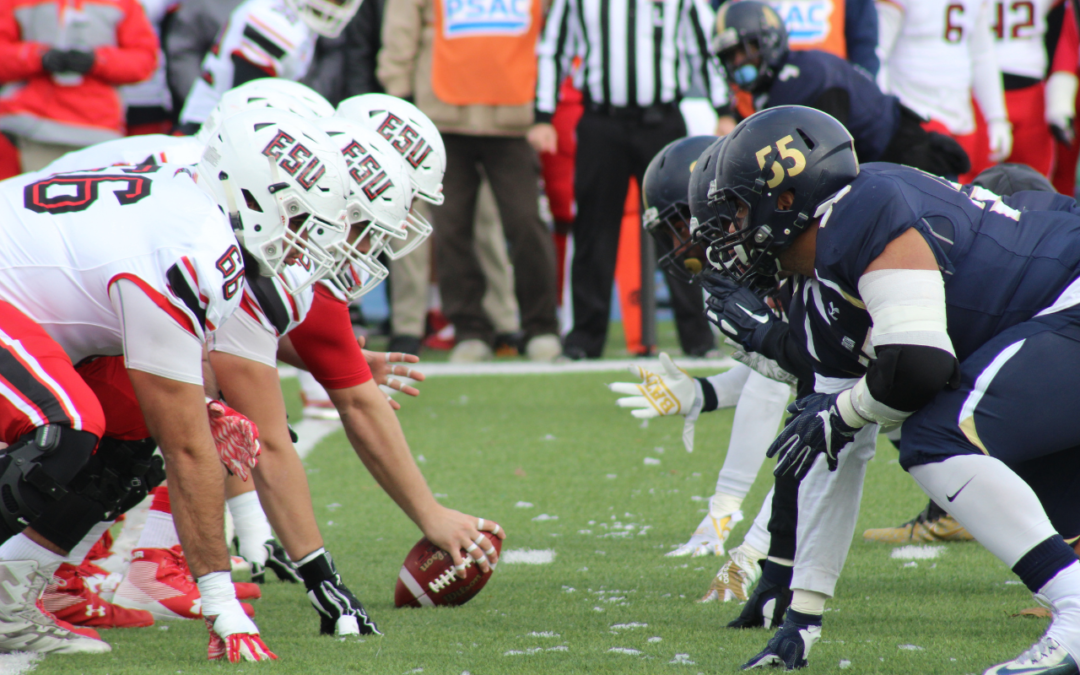
When people think of football teams, their focus is usually on the players, the matches, and the excitement on game day. But what most fans don’t see is the complex system that works behind the scenes to keep everything running smoothly. From coaching staff and medical teams to marketing departments and stadium crews, there’s more that goes on beyond the field.
Other than a football organization’s talent or tactics leading to a win, it also comes down to how well a club is organized. A strong structure improves communication, supports players, and makes it easier for the club to grow sustainably. In today’s game, strong performance off the field is just as important as what happens on it.
What Is a Football Team’s Organizational Structure?
A football team’s organizational structure lays out how the club is managed, how different departments work together, and who’s in charge of what. Think of it like a roadmap that shows who reports to whom and how responsibilities are divided across the organization.
Having a strong, organized structure helps departments stay in sync and ensures everyone is working toward the same goals. It creates a stable foundation that supports the day-to-day operations, while also contributing to long-term success.
The Core Roles in a Football Team Organizational Structure
Running a successful football club requires a network of departments working closely together behind the scenes. Each area plays a crucial role in keeping the team competitive and the club running smoothly. Here’s a breakdown of some of the key positions found in a typical club structure:
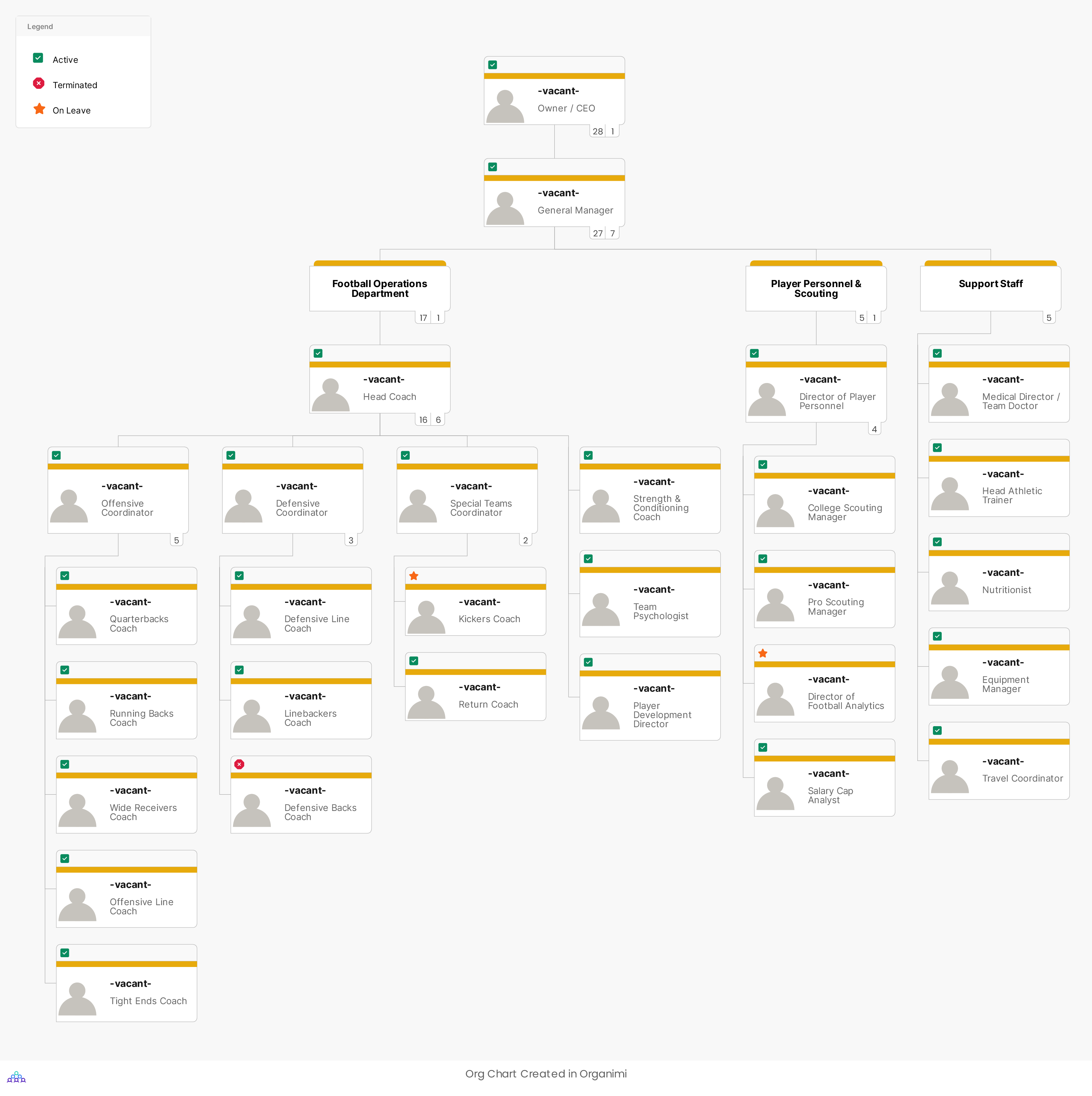
Club President or CEO — This is the person at the top, responsible for the overall leadership and strategic direction of the club. They oversee everything from football operations to business management, typically reporting to the club’s owners or board of directors.
Sporting Director / General Manager — Leads the football side of operations, including recruitment, coaching staff, and player development. Ensures the club’s sporting vision is implemented from top to bottom.
Head Coach / Manager — Working closely with the Sporting Director, the Head Coach leads the first team, setting tactics, running training sessions, and managing match-day decisions. They often work closely with the Sporting Director to align the team’s playing style with the club’s broader vision.
Medical and Performance Team — Includes doctors, physiotherapists, sports scientists, and strength coaches who work together to keep players in peak physical condition and reduce injuries.
Scouting and Recruitment Team — Reporting to the Sporting Director/General Manager, they are responsible for identifying and evaluating potential signings, both locally and internationally.
Types of Football Team Organizational Structures
Not every football club is built the same way. Depending on factors like size, competitive level, or long-term goals, teams often choose different organizational structures that best suit their needs. Here are a few of the most common formats seen across the football world:
Hierarchical Structure — This is a traditional top-down model with a clear chain of command. Here, decisions flow from the CEO to department heads, who then pass them on to their teams. This structure is common in professional football clubs with multiple departments and a need for strict oversight.
Functional Structure — In a functional setup, departments are organized based on functions (e.g., coaching, performance, marketing). Each function is managed independently but reports to upper management. This model allows for specialization and efficiency in clubs with distinct operations.
Matrix Structure — The matrix model blends elements of both functional and project-based approaches. For example, a strength coach might report to the Head of Performance but also work closely with the Head Coach and medical staff. This flexible model encourages cross-department collaboration, allowing for teamwork and communication across different units.
How to Build Your Football Team’s Organizational Structure
Building a strong team structure starts with clarity. Follow these simple steps to create an efficient and transparent organizational structure for your football club:
Identify Key Roles and Responsibilities — Start by listing all necessary roles in your team, both on the field and behind the scenes. Clearly define who is responsible for coaching, recruitment, sponsorship, fan engagement, and operations.
Define Reporting Lines — Once roles are set, lay out the chain of command by clearly outlining reporting relationships. For example, the Assistant Coach reports to the Head Coach, who reports to the Sporting Director.
Choose the Right Structure — Pick a structure that aligns with your team’s size, culture, and strategic goals. Larger clubs may benefit from a hierarchical model, while smaller teams might lean toward a matrix or functional structure.
Create an Organizational Chart — Use an org chart tool like Organimi to visually map out your team structure. Include all roles, names (if applicable), and reporting relationships.
Share and Update Regularly — Lastly, share it regularly and invite feedback, especially as roles shift or new staff members come on board. Keeping it updated ensures everyone stays informed and aligned as your team evolves.
In Summary
Winning matches is only part of what makes a football team truly successful. When roles are clearly defined and departments are working in sync, everything runs more smoothly. Putting the right organizational structure in place isn’t just helpful, but also essential for creating a club that performs at a high level, both on and off the pitch.
Looking to build dynamic and shareable org charts? Explore what Organimi’s org chart software can do and sign up for a free 14-day trial today!