
The way companies are structured is changing faster than ever before. And if you’re in HR, you’ve probably noticed it firsthand.
Artificial intelligence isn’t just another tool in the tech stack anymore. It’s fundamentally changing how organizations are built, how teams collaborate, and how work gets done. The question isn’t whether AI will impact your org structure. It’s whether you’re ready for it.
How Is AI Changing Traditional Organizational Hierarchies?
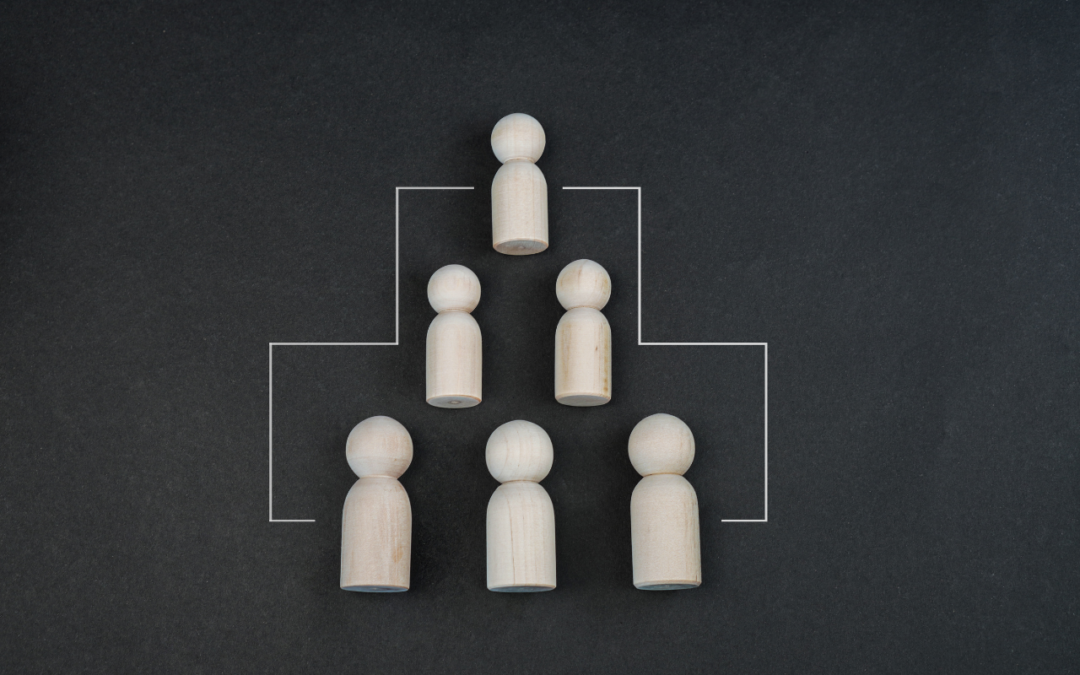
For decades, organizational charts looked pretty much the same: C-suite at the top, layers of management in the middle, and individual contributors at the bottom. Clear hierarchies. Defined reporting lines. Predictable career paths.
AI is breaking down these traditional structures. Companies using AI tools are finding they need fewer middle management layers. When AI can handle routine decision-making, data analysis, and workflow coordination, managers are becoming coaches, strategists, and culture builders instead of information gatekeepers. This creates flatter organizations where information flows more freely, and decisions get made faster.
What New Job Roles Is AI Creating in Organizations?
Rather than replacing roles, AI is shifting how teams operate and where people focus their time. As repetitive tasks are automated, new roles and specialties are emerging. Five years ago, “prompt engineer” wasn’t a job title. Neither was “AI ethics officer” nor “automation workflow specialist.” Now, these roles are showing up in org charts across industries.
Your HR team needs to understand these emerging positions:
- AI Integration Specialists work alongside department heads to identify where AI can add value and ensure smooth implementation.
- Data Governance Managers make sure your AI systems are using data responsibly and in compliance with regulations.
- Human-AI Collaboration Designers figure out the optimal ways for people and AI tools to work together.
These are not niche roles at tech companies anymore. They are becoming standard positions across healthcare, finance, manufacturing, and retail organizations.
How Are Team Structures Evolving with AI?
AI is enabling new types of team structures that blend human workers, AI assistants, and automated systems in ways we haven’t seen before.
Some companies are experimenting with “pod” structures where small, cross-functional teams work with dedicated AI tools to complete projects from start to finish. These pods operate semi-autonomously, making decisions quickly without waiting for approval from multiple management levels.
Others are creating “skill-based” organizations rather than traditional department-based ones. Instead of organizing people by function, they are organizing around specific capabilities and deploying both human talent and AI resources wherever they’re needed most. In AI-augmented organizations, what you can do matters more than what your business card says.
What’s Replacing the Command-and-Control Model?
AI thrives in environments where information flows freely, and collaboration happens across boundaries. Forward-thinking organizations are moving toward network-based structures where teams form and reform based on project needs, and where expertise matters more than seniority.
In these models, your org chart might look less like a pyramid and more like a web. People have multiple reporting relationships, contribute to various projects, and shift roles based on what the organization needs.
Workflow automation tools can coordinate complex projects across distributed teams. AI-powered platforms can match people with the right skills to emerging opportunities. And when it comes to visualizing these complex, evolving structures, modern org chart tools such as Organimi make it simple to map out matrix organizations, cross-functional teams, and flexible reporting relationships.
What Should HR Leaders Do Right Now?
If you’re in HR and feeling a bit overwhelmed by all this change, you’re not alone. Here are practical steps you can take today:
- Audit your current structure: Look for places where AI could eliminate bottlenecks, reduce layers, or enable faster decision-making. Be honest about which roles might change or become obsolete.
- Start small with pilot programs: Test new structures in one department or team and learn what works before scaling.
- Invest in AI literacy training: Every employee should understand the basics of how AI works, what it can and can’t do, and how to work effectively with AI tools.
- Redesign your talent acquisition strategy: Look for candidates who demonstrate adaptability, continuous learning, and comfort with technology. These traits matter more in AI-augmented organizations than industry-specific experience.
The Bottom Line
Here’s the paradox of AI in organizational design. The more we automate, the more important human skills become. For HR professionals, this is your opportunity to help build organizations that are more agile, more innovative, and more human than what came before.
The future of work isn’t about choosing between people and AI. It’s about designing organizational structures where both can thrive together.
Ready to visualize your evolving organizational structure? Organimi makes it easy to create, update, and share org charts that reflect how your company actually works. Start building your org chart today and stay ahead of the changes reshaping modern organizations today!