
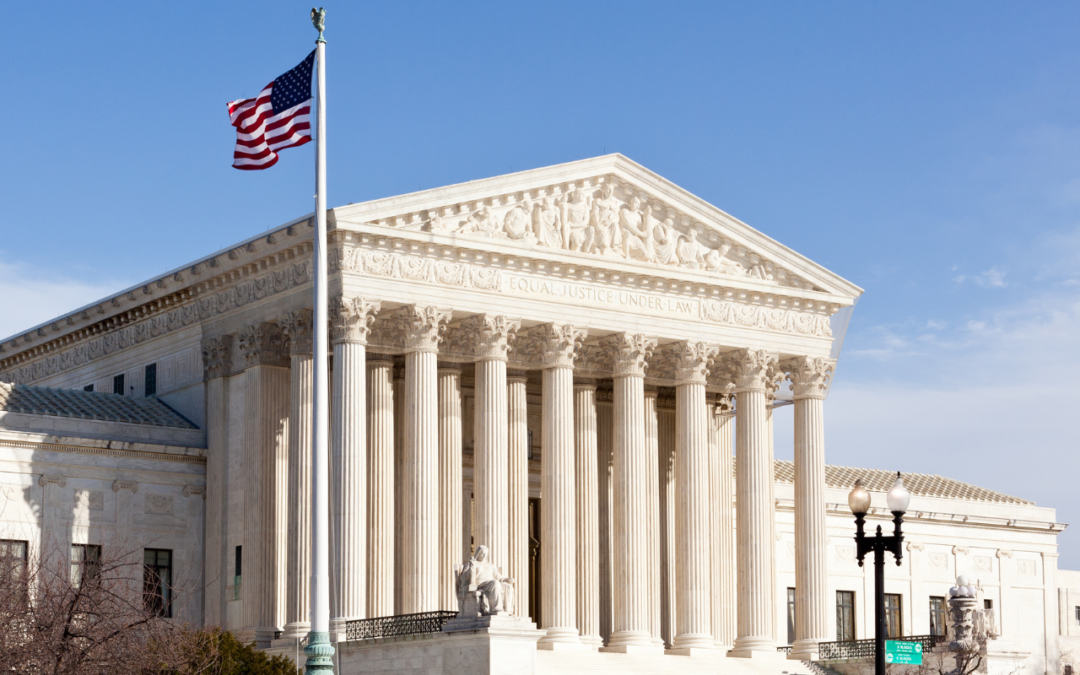
More than just imposing laws, the U.S. Court System is a foundational pillar of American democracy. For justice to be served efficiently and equitably, this complex system needs a well-defined organizational structure. A clear structure not only streamlines operations but also promotes accountability, enhances communication, and ensures consistent application of the law.
What is the U.S. Court System’s Organizational Structure?
At its heart, the U.S. Court System’s organizational structure provides a framework for how judicial power is distributed, how cases flow, and how various roles and departments coordinate. It’s essentially a visual roadmap of authority, showing the hierarchy of courts and the reporting lines that ensure everyone understands their responsibilities in upholding justice. A clearly defined structure helps the judiciary meet its objectives of interpreting laws, resolving disputes, and maintaining regulatory compliance.
The Main Components of the U.S. Federal Court System
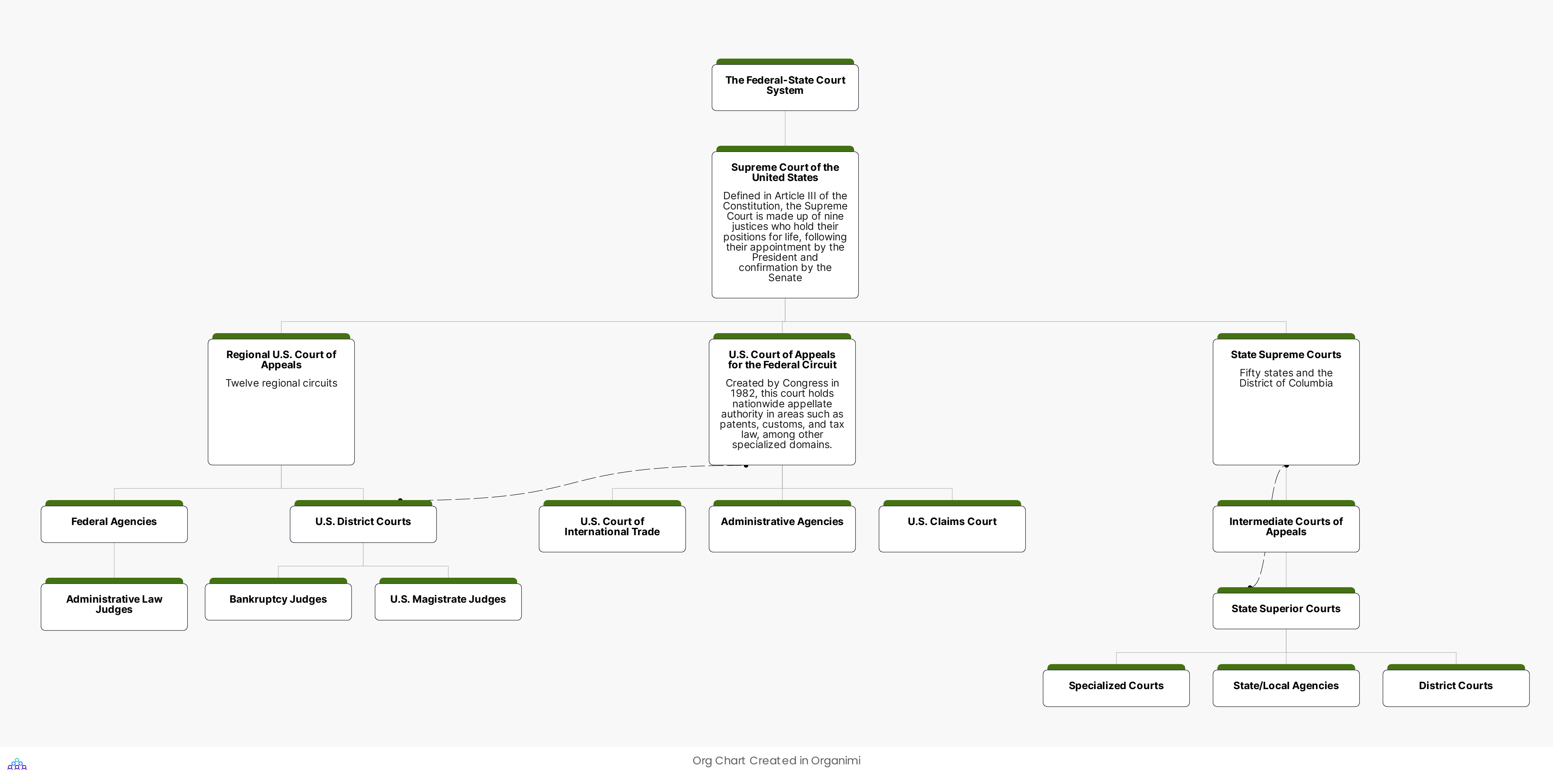
The U.S. federal court system operates on a three-tiered structure, each with distinct roles that contribute to the overall functioning of justice.
The Supreme Court of the United States — This is the highest court in the land, created by Article III of the Constitution. It consists of nine justices, appointed for life by the President with the “advice and consent” of the Senate. The Chief Justice oversees its operations and leads the federal judiciary, while the Associate Justices hear and decide cases, interpreting the Constitution and federal laws.
U.S. Courts of Appeals (Circuit Courts) — Sitting below the Supreme Court are the 13 U.S. Courts of Appeals. These courts hear appeals from the District Courts and certain administrative agencies. Each circuit has a Chief Judge who manages the court’s administrative functions, while Circuit Judges hear cases, typically in panels of three.
U.S. District Courts — These are the primary trial courts of the federal system, with 94 judicial districts across the country. District Judges preside over trials, hear motions, and issue rulings in both civil and criminal federal cases. They are supported by Magistrate Judges, who handle preliminary proceedings and minor cases, and Bankruptcy Judges, who oversee bankruptcy proceedings.
Specialized Federal Courts — Beyond the general trial and appellate courts, there are specialized federal courts like the U.S. Court of Federal Claims, U.S. Court of International Trade, and the U.S. Court of Appeals for the Federal Circuit. The U.S. Court of Appeals for the Federal Circuit, created by Congress in 1982, has national appellate jurisdiction in specialized areas like patents, customs, and taxes.
The Different Types of Court Organizational Structures
While the federal system has a clear hierarchy, individual court districts or state court systems may adopt structures tailored to their needs.
Traditional Structure — This mirrors the federal system’s clear chain of command, where decisions flow from the Chief Judge down through various administrative layers. This is common in larger court systems where strict control simplifies complex operations.
Functional Structure — Some court systems might divide administrative functions into departments based on roles, such as IT, finance, or human resources. Each department would be led by a manager reporting to the Court Administrator, ideal for specialized operational needs.
Divisional Structure — Large state court systems might organize based on geographic divisions (e.g., judicial districts) or specialized court types (e.g., family court, criminal court). Each division might operate with some autonomy under a division manager, allowing for tailored strategies in different regions or legal areas.
How to Create Your Court System Organizational Structure (Or Understand It!)
Understanding the U.S. court system’s structure, or even designing one for a theoretical purpose, involves key steps:
List Key Roles and Functions — Start by identifying the essential judicial roles (judges, magistrates) and critical administrative functions (case management, finance, IT, security). Define the responsibilities of each to ensure all aspects are efficiently managed.
Delineate Reporting Relationships — Clearly define who reports to whom, starting from the top judicial leadership down through administrative staff. This clarity reduces confusion and fosters accountability and collaboration.
Identify the Best Fit — Consider the size and specific operational needs. For instance, the federal system uses a blend of traditional hierarchy for judicial flow and functional support for administrative tasks.
Create Your Organizational Chart — Visualize the entire structure using an org chart tool like Organimi (hyperlinked). Include all roles and their reporting lines via manual build, data import, or integrations to provide a clear understanding of the organization.
Implement and Share — Once finalized, communicate the organizational chart to all personnel. Encourage questions and feedback to ensure clarity, and update the chart regularly to reflect changes.
In Summary
The U.S. Court System is a cornerstone of our society, ensuring justice and upholding the rule of law. A well-planned and clearly defined organizational structure is crucial for its efficient operation and effective service delivery. Whether you’re a legal professional, a student, or simply interested in how our government works, understanding this structure is key to appreciating the complex dance of justice.
Looking to build dynamic and shareable org charts? Explore what Organimi’s org chart software can do and sign up for a free 14-day trial today!